The Bedroom Artist Mindset: Small Room, Big Ambition

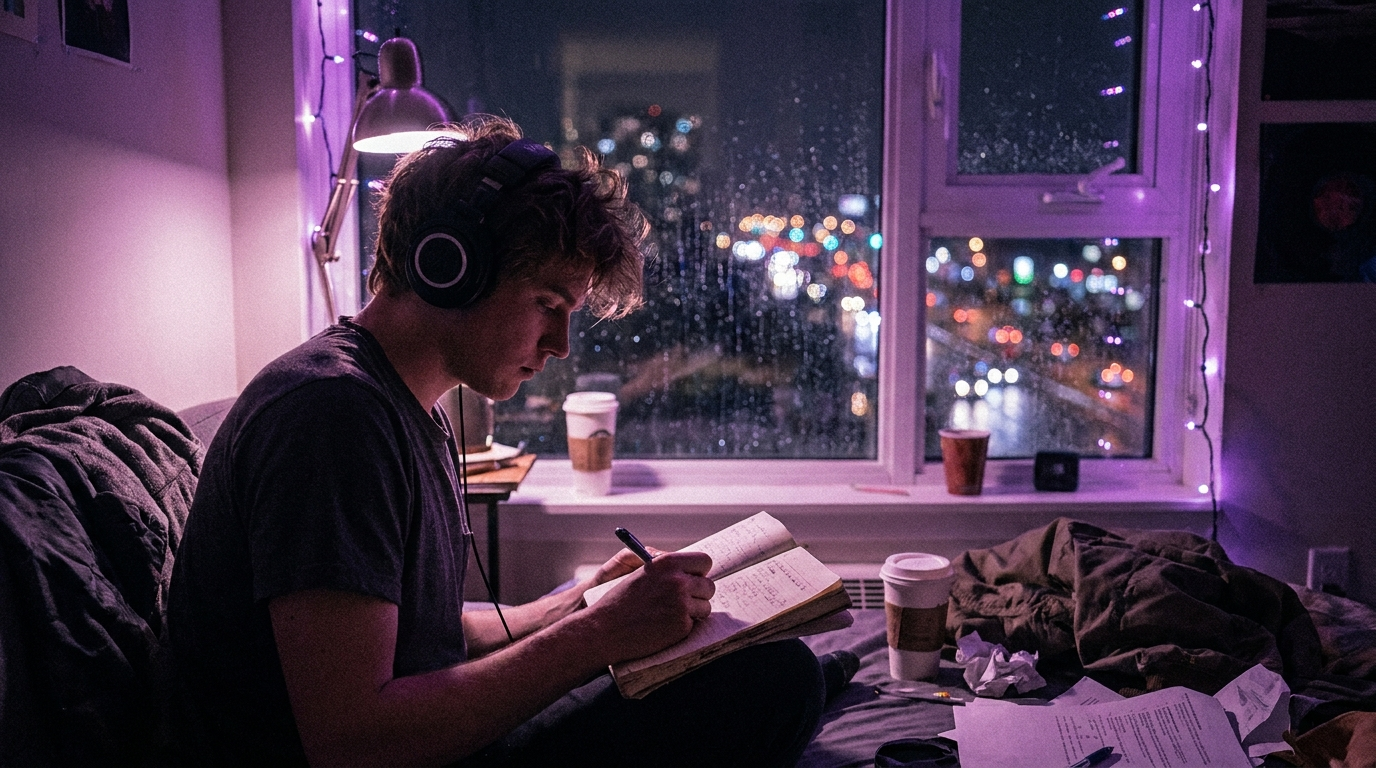
Stop Apologizing for the Room
Somewhere along the way, "bedroom artist" got said with an apology in it — as if the bedroom were a waiting room, and real music started once you graduated to a studio with a leather couch.
Here's what my label years actually taught me: the couch is overrated. Billboard hits have been cut in closets. Entire genres — bedroom pop, most of modern rap production, huge swaths of electronic music — were invented by people working in small rooms with cheap gear and total freedom. The bedroom isn't where you wait to become an artist. For this era, it's where artists are made.
What the Small Room Gives You
Constraints, which are secretly a gift. Limited gear forces decisions. When you can't audition forty microphones, you get good with one. When your tools fit on a phone — a beat, an autotuned vocal, a bounce, all inside something like Volmix — you stop fiddling with options and start finishing songs. Scenes built on cheap tools have always out-innovated scenes built on expensive ones, because constraint breeds style. Your limitations are not the obstacle to your sound; they're usually the source of it.
Reps nobody can take from you. The studio artist gets ten expensive hours a month. You get an hour a night, every night, forever. Skill in music is overwhelmingly a repetition game — vocal takes, arrangement instincts, ears. The bedroom is where you can afford ten thousand cheap attempts, and ten thousand cheap attempts beat a hundred precious ones every single time.
Freedom from the meter. Nobody's watching the clock, so you can be bad in private. That matters more than it sounds: every genuinely original idea starts as a bad-sounding experiment, and experiments need a room where failure costs nothing. Artists develop faster in low-stakes rooms. I watched signed acts freeze in big studios because every hour had a price tag and an audience.
Ownership of the whole chain. You wrote it, produced it, recorded it, released it. Every skill lives in your hands, which means nobody is a bottleneck and nobody is a gatekeeper. Even if you later work with producers and engineers, you'll collaborate from understanding instead of dependence — and that changes every negotiation you'll ever have.
The Mindset, Specifically
The room is physical; the mindset is a set of choices:
- Professional standards, not professional gear. Show up on a schedule. Finish things. Keep organized files. Treat releases like releases. Amateurs are defined by habits, not equipment.
- Compare your output to your last output, not to major-label masters with six-figure budgets. Your job is a better song than last month's, on repeat, for years.
- Let the smallness into the music. Intimacy is the bedroom's native sound — close vocals, personal writing, texture over polish. The artists who won from small rooms leaned into that instead of imitating stadium gloss with hatchback resources.
- Build the ambition pipeline anyway. Small room, big plans: release schedules, live goals, collaborator wishlists. The room is small. The ceiling isn't.
The Trap to Avoid
The one real bedroom hazard is the loop with no exit: making music alone, for yourself, forever, with nothing shipped. The room is a workshop, not a bunker. The work has to leave — to friends, to open mics, to streaming, to somewhere with other humans. Isolation is a tool for creation and a poison for careers.
Small Rooms, Repeatedly
History's pattern is consistent: tools shrink, gatekeepers lose, and the next wave of important artists comes from wherever recording just became possible. Right now that's a bedroom, a phone, and a person who kept showing up.
You're not waiting to start. You already have the room.
June Park
June is a former label A&R coordinator who now writes about the independent artist journey: releasing, growing a fanbase and staying sane while doing both.
All articles by June Park